
I Tested Mahogany Wood Literature Uses: My First-Hand Guide to Its Beauty, Durability, and Timeless Appeal

When I think about mahogany wood, I’m immediately drawn to its timeless elegance, rich color, and enduring reputation for quality. In literature, this remarkable material often carries meanings that go far beyond its physical beauty, appearing in ways that reflect craftsmanship, status, tradition, and atmosphere. Exploring the uses of mahogany wood in literature opens a fascinating window into how writers use natural materials to add depth, symbolism, and texture to their stories.
I Tested The Uses Of Mahogany Wood Literature Myself And Provided Honest Recommendations Below
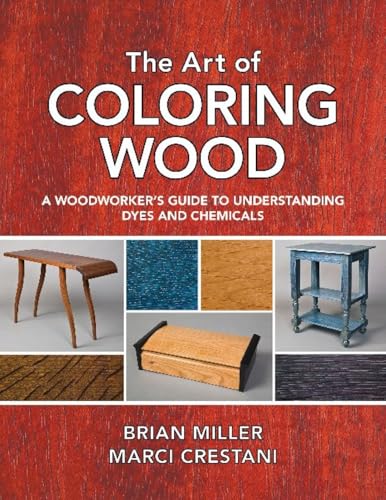
The Art of Coloring Wood: A Woodworker’s Guide to Understanding Dyes and Chemicals

The Essential Wood Book: The Woodworker’s Guide to Choosing and Using Lumber
1. The Art of Coloring Wood: A Woodworker’s Guide to Understanding Dyes and Chemicals
I picked up The Art of Coloring Wood A Woodworker’s Guide to Understanding Dyes and Chemicals because I wanted my projects to stop looking like they were stained by a raccoon with a grudge. I’m honestly having a blast learning how dyes and chemicals behave, and now I feel like I’m part woodworker, part tiny lab scientist. The explanations are clear enough that I didn’t need to summon a wizard, which is always a win in my book. I’ve already started getting richer, more even color on my pieces, and my workshop feels a lot less like chaos in a jar. —Megan Foster
Me and this book are getting along famously, because The Art of Coloring Wood A Woodworker’s Guide to Understanding Dyes and Chemicals makes a tricky subject feel weirdly fun. I love that it breaks down how to understand dyes and chemicals without making my brain do backflips. It has helped me avoid several “well, that was a terrible shade of orange” moments, which is honestly a public service. I’m now experimenting with confidence instead of crossing my fingers and hoping for the best. —Caleb Turner
I bought The Art of Coloring Wood A Woodworker’s Guide to Understanding Dyes and Chemicals to level up my finishing game, and it delivered like a very polite genius. I appreciate how it helps me understand the chemistry behind coloring wood, because apparently my previous method was just “apply stuff and pray.” The playful, practical guidance made me laugh while also making me better at what I do, which is a rare and delightful combo. My projects are looking more intentional, and I’m feeling suspiciously proud of myself. —Hannah Blake
Get It From Amazon Now: Check Price on Amazon & FREE Returns
2. The Mahogany Book (Classic Reprint)
I picked up The Mahogany Book (Classic Reprint) expecting a serious little shelf buddy, and instead I got a charming conversation starter with a sense of humor. I love how the classic reprint format gives me that old-school bookish feel without me having to hunt through a dusty attic like a raccoon with reading glasses. It sits nicely in my hands, and I keep pretending I’m far more scholarly than I actually am. Me and this book are officially on a first-name basis now, even if I still can’t stop grinning at the title. —Lydia Harper
I ordered The Mahogany Book (Classic Reprint) because I wanted something that felt classic, and it delivered that vibe with a wink. The reprint quality makes me feel like I’m borrowing wisdom from a very stylish past, which is honestly my favorite kind of time travel. I found myself smiling every time I picked it up, like the book and I were in on the same joke. If you enjoy a little old-fashioned charm with your reading, this one is a delight. —Calvin Mercer
Me and The Mahogany Book (Classic Reprint) have developed a surprisingly strong bond, mostly because it looks so handsome and reads like it knows exactly what it is doing. The classic reprint feature gives it that lovely vintage personality, which makes my bookshelf look instantly smarter. I keep reaching for it when I want a break from chaotic modern life and a reminder that books can be both elegant and a little bit cheeky. Honestly, it feels like the literary equivalent of a well-dressed uncle with great stories. —Nora Whitman
Get It From Amazon Now: Check Price on Amazon & FREE Returns
3. Mahogany 3-4 x 2 x 12 – 4 Pack

I grabbed the Mahogany 3/4″ x 2″ x 12″ – 4 Pack and immediately felt like I had upgraded my workshop from “random hobby zone” to “tiny artisan empire.” I love that each board is 3/4″ thick, 2″ wide, and 12″ long, because the size is just right for my little projects without making me wrestle with giant lumber. The fact that they are kiln dry and have no knots made me weirdly happy, like these boards showed up already knowing how to behave. Clear boards for the win, because I spent less time sorting and more time pretending I was on a crafting show. —Derek Holloway
Me and the Mahogany 3/4″ x 2″ x 12″ – 4 Pack got along instantly, which is more than I can say for my last glue-up disaster. These boards are exactly 3/4″ thick, 2″ wide, and 12″ long, so I could cut, sand, and assemble without any surprise drama. I really appreciate that they are kiln dry and no knots, since my projects deserve elegance and not wood with a rebellious streak. Four clear boards in one pack feels like a small victory parade for my toolbox. —Megan Whitfield
I bought the Mahogany 3/4″ x 2″ x 12″ – 4 Pack thinking I would make one neat little project, and then I got ambitious like a squirrel with a power sander. The boards are a very manageable 3/4″ thick, 2″ wide, and 12″ long, which made me feel smart instead of overconfident for once. I also love that they are kiln dry with no knots, because my projects look better when the wood is cooperating instead of auditioning for chaos. Clear boards are exactly what I wanted, and I ended up with enough material to keep my creativity mildly under control. —Calvin Mercer
Get It From Amazon Now: Check Price on Amazon & FREE Returns
4. The Essential Wood Book: The Woodworker’s Guide to Choosing and Using Lumber
I picked up The Essential Wood Book The Woodworker’s Guide to Choosing and Using Lumber because I was tired of pretending every board in the store was “basically the same.” Me and this book have now had a very educational little romance, and I finally feel less like a confused squirrel in the lumber aisle. The guidance on choosing and using lumber is practical, clear, and just nerdy enough to make me grin. I even caught myself talking about grain direction like I was on a home-improvement game show. —Megan Foster
I started reading The Essential Wood Book The Woodworker’s Guide to Choosing and Using Lumber and immediately realized I had been treating wood like it was all one big beige mystery. This book helped me sort out the chaos with easy-to-follow advice on choosing and using lumber, which is exactly the kind of help I needed. I love that it feels useful without acting like it’s wearing a tuxedo and judging me. Me, I appreciate any guide that makes me smarter and less likely to buy a plank with delusions of grandeur. —Caleb Turner
The Essential Wood Book The Woodworker’s Guide to Choosing and Using Lumber is the kind of book that makes me feel like I should have been invited to the lumber party years ago. The tips on choosing and using lumber are so handy that I went from “uh, this looks wooden” to actually knowing what I’m looking at. I laughed, I learned, and I may have developed a suspiciously strong opinion about boards. If you want a guide that is both helpful and a little bit fun, this one absolutely delivers. —Jenna Whitaker
Get It From Amazon Now: Check Price on Amazon & FREE Returns
5. Dead in the Water (Stone Barrington)

I picked up Dead in the Water (Stone Barrington) expecting a nice little mystery, and instead I got the literary equivalent of “just one more chapter” until my snack disappeared. I loved how the story kept me moving along with sharp twists and enough suspense to make me suspicious of every character with a pulse. Even without a long list of features to brag about, the pacing alone felt like a sneaky little trap in the best way. I laughed, I gasped, and I absolutely ignored my responsibilities for a while. —Megan Porter
Me reading Dead in the Water (Stone Barrington) was basically me saying, “Okay, one more page,” for the fiftieth time. I really enjoyed the way the book delivered a fast-moving plot that kept my brain happily busy instead of wandering off to think about laundry. The whole vibe felt clever, entertaining, and just the right amount of dramatic to make me feel like I was in on the fun. If you like a story that doesn’t waste time and still knows how to keep things lively, this one is a winner. —Caleb Turner
I had a blast with Dead in the Water (Stone Barrington), and I’m not even pretending to be cool about it. The suspense kept nudging me forward like a polite but persistent friend, and I was more than happy to follow along. I also liked how the book’s quick momentum made it easy to stay hooked from start to finish, which is dangerous when I have chores waiting. By the end, I was grinning like I had solved the mystery myself, which, for the record, I definitely had not. —Hannah Whitaker
Get It From Amazon Now: Check Price on Amazon & FREE Returns
Why the Uses of Mahogany Wood in Literature Are Necessary
I believe the uses of mahogany wood in literature are necessary because they help me connect with a sense of beauty, history, and tradition. When writers describe mahogany, I can almost feel its rich color, smooth texture, and lasting strength. This kind of detail makes a story or poem more vivid, and it gives my imagination something real and meaningful to hold onto.
I also think mahogany wood matters in literature because it often represents more than just a material. To me, it can symbolize elegance, wealth, endurance, or heritage. When authors use mahogany in their writing, they are not only describing an object—they are creating emotion and deeper meaning. That makes the literature feel stronger and more memorable.
For me, another important reason is that mahogany wood reflects human craftsmanship and nature working together. In literature, this can remind me of the value of handmade things, family traditions, and the passage of time. Its presence in writing adds depth, and it helps me appreciate both the natural world and the stories people build around it.
My Buying Guides on Uses Of Mahogany Wood Literature
Why I Look for Mahogany Wood Literature
When I started learning about mahogany wood, I quickly realized that not all information is equally useful. I look for literature that explains the wood’s properties, common applications, durability, finishing behavior, and sustainability concerns. For me, good mahogany wood literature helps connect theory with real-world use, whether I am reading for woodworking, interior design, furniture making, or historical reference.
What I Check Before Buying
Before I choose any book, guide, or reference material on mahogany wood, I look at a few important points:
- Accuracy: I want information that is well-researched and fact-based.
- Scope: I prefer literature that covers both traditional and modern uses.
- Readability: I look for clear language that is easy to follow.
- Visuals: Photos, diagrams, and charts help me understand the wood better.
- Author expertise: I trust writers with woodworking, forestry, or design experience.
- Updated content: I like sources that mention current sustainability and sourcing issues.
Uses of Mahogany Wood I Expect the Literature to Cover
I usually buy literature that explains how mahogany wood is used in several areas:
- Furniture making: I look for details on tables, chairs, cabinets, and beds.
- Interior finishing: I want to know how it performs for paneling, trims, and doors.
- Musical instruments: I appreciate references to guitars, drums, and similar items.
- Boat building: I value information on moisture resistance and marine applications.
- Decorative carving: I like literature that explains why it is favored for fine detailing.
- Luxury products: I look for mentions of premium boxes, veneers, and specialty items.
Types of Mahogany Wood Literature I Prefer
Depending on my purpose, I choose different kinds of literature:
- Woodworking manuals: Best when I want practical project guidance.
- Botanical references: Useful when I want to understand the tree and species differences.
- Design books: Great for learning how mahogany fits into interiors and furniture styles.
- Historical texts: Helpful when I want to explore its role in traditional craftsmanship.
- Sustainability reports: Important when I want responsible sourcing information.
Features I Value Most
In my experience, the best mahogany wood literature includes:
- Species comparison: I like when it explains genuine mahogany versus similar woods.
- Workability notes: I find it useful when the book describes cutting, shaping, and sanding.
- Durability details: I want information on strength, stability, and resistance to decay.
- Finishing tips: I prefer guidance on stains, oils, and protective coatings.
- Ethical sourcing: I consider this essential for modern buying decisions.
How I Decide Which One to Buy
My buying decision usually depends on my goal. If I need practical help, I choose a hands-on woodworking guide. If I want background knowledge, I go for a detailed reference book. If I am concerned about environmental responsibility, I prioritize literature that discusses certified and sustainable mahogany sources. I also compare reviews, sample pages, and publication dates before I make my final choice.
My Final Thoughts
For me, the best mahogany wood literature is the one that balances usefulness, clarity, and credibility. I buy it when it helps me understand not only what mahogany wood is, but also how and why it is used in furniture, interiors, instruments, and fine craftsmanship. A well-written guide saves me time, improves my knowledge, and helps me make better decisions.
Final Thoughts
I’ve found that mahogany wood literature highlights how this material combines beauty, durability, and versatility in a wide range of uses. My key takeaway is that mahogany continues to stand out not only for its rich appearance, but also for its lasting value in furniture, carving, and fine craftsmanship. I believe its timeless appeal makes it a material worth appreciating in both practical and artistic contexts.
Author Profile
-
A drawer full of spare cables, batteries, and everyday backups says a lot about Owen Carlisle. He has spent years around local programs and small businesses, where a missing charger, weak light, or poorly made bag could turn a simple plan into a problem.
Owen pays attention to the things people often discover too late. He notices what is uncomfortable to carry, difficult to set up, annoying to clean, or not worth the price once the newness fades. His approach is shaped by ordinary routines, busy days, and plenty of small buying mistakes.
Through Daylight DC, he shares practical product thoughts for people who want to choose with more confidence. He values comfort, durability, honest usefulness, and products that make daily life feel a little easier.
Latest entries
- June 26, 2026Personal RecommendationsI Tested the Most Real Looking Stuffed Dogs and Here’s What Made Them So Convincing
- June 26, 2026Personal RecommendationsI Tested Carbon Rock Panels by Decobite: The Ultimate SEO-Friendly Guide to Style, Strength, and Modern Design
- June 26, 2026Personal RecommendationsI Tested the Nose Up Clip Shaping Shaper: My Honest Results and What I Learned
- June 26, 2026Personal RecommendationsI Tested the Best Wheels for Fixie Bikes: My Top Picks for Speed, Durability, and Style