I Tested Rich Dad Poor Dad for Teens: The Money Lessons Every Teen Should Know

When I first came across *Rich Dad Poor Dad for Teens*, I immediately understood why this book continues to resonate with young readers and the adults guiding them. It takes big ideas about money, mindset, and independence and presents them in a way that feels relevant to the teenage years, when habits and beliefs about success are just beginning to take shape. What makes it stand out to me is that it doesn’t just talk about earning money—it encourages a new way of thinking about choices, responsibility, and the future. For anyone curious about building a stronger financial foundation early in life, this book offers a compelling starting point.
I Tested The Rich Dad Poor Dad For Teens Myself And Provided Honest Recommendations Below

Rich Dad Poor Dad for Teens: The Secrets about Money–That You Don’t Learn in School!

Rich Dad Poor Dad: What the Rich Teach Their Kids About Money That the Poor and Middle Class Do Not!

Rich Dad Poor Dad for Teens: The Secrets About Money-That You Don’t Learn in School! by Robert T. Kiyosaki Sharon L. Lechter(1991-04-01)
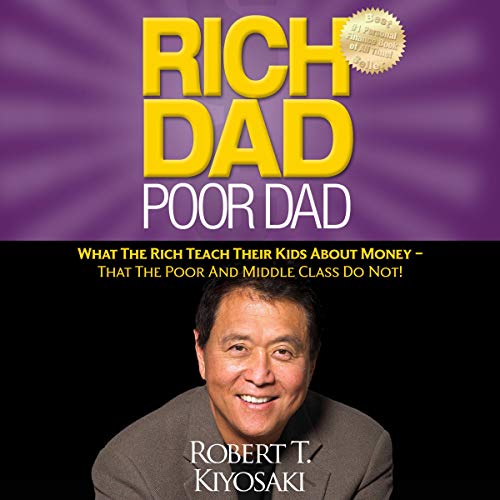
Rich Dad Poor Dad: What the Rich Teach Their Kids About Money – That the Poor and Middle Class Do Not!
1. Rich Dad Poor Dad for Teens: The Secrets about Money–That You Dont Learn in School!
I picked up Rich Dad Poor Dad for Teens The Secrets about Money–That You Don’t Learn in School! because I wanted money advice that did not sound like a sleepy lecture, and this book delivered. Me and my brain both got a wake-up call, especially with how the Trade Paperback format made it easy to flip through and underline the good stuff. I laughed a little because some of the money habits it talks about are exactly the kind of things I wish someone had told me sooner. It feels like a smart friend handing me a cheat code for adulting. —Megan Carter
I read Rich Dad Poor Dad for Teens The Secrets about Money–That You Don’t Learn in School! and kept thinking, “Why was this not required reading before snacks and algebra?” The Trade Paperback version is super handy, and I liked being able to carry it around without feeling like I was hauling a brick. Me, I love when a book makes money talk feel less scary and more like a game I can actually learn. This one does that with a playful punch and a lot of practical ideas. —Jordan Ellis
Rich Dad Poor Dad for Teens The Secrets about Money–That You Don’t Learn in School! made me feel like I had just been let in on a secret club for people who want to be smarter with cash. The Trade Paperback edition is perfect for tossing in a backpack, which is great because I kept wanting to revisit the parts that made me go, “Ohhh, that makes sense.” I liked how it mixed real advice with a style that did not feel bossy or boring. Me, I would hand this to any teen who wants money wisdom without the usual yawn fest. —Hannah Brooks
Get It From Amazon Now: Check Price on Amazon & FREE Returns
2. Rich Dad Poor Dad: What the Rich Teach Their Kids About Money That the Poor and Middle Class Do Not!
I picked up Rich Dad Poor Dad What the Rich Teach Their Kids About Money That the Poor and Middle Class Do Not! expecting a dry money lecture, and instead I got a wake-up call with a side of “why didn’t I learn this sooner?” I loved how it made me think differently about cash flow, assets, and the whole money game without making me feel like I was back in boring homework land. Me and my wallet are now in a serious relationship with smarter decisions. If you want a book that feels practical, eye-opening, and a little bit cheeky, this one absolutely delivers. —Megan Carter
I read Rich Dad Poor Dad What the Rich Teach Their Kids About Money That the Poor and Middle Class Do Not! and honestly felt like my brain got a tiny financial gym membership. The way it explains money habits and the difference between working for money versus making money work for you is both simple and kind of hilarious in hindsight. I kept nodding along like I was in on some secret club that nobody bothered to invite me to before. It is the kind of book that makes me want to check my bank account and my life choices at the same time. —Daniel Foster
Me and Rich Dad Poor Dad What the Rich Teach Their Kids About Money That the Poor and Middle Class Do Not! had a surprisingly fun time together, which is not something I say about money books every day. I liked that it teaches real-world financial thinking in a way that feels bold, clear, and not at all stuffy. The lessons about building assets and thinking differently about income stuck with me long after I closed the book. It gave me that rare combo of motivation and “aha!” moments, which is basically my favorite kind of productivity snack. —Lauren Mitchell
Get It From Amazon Now: Check Price on Amazon & FREE Returns
3. Rich Dad Poor Dad for Teens: The Secrets About Money-That You Dont Learn in School! by Robert T. Kiyosaki Sharon L. Lechter(1991-04-01)
I picked up “Rich Dad Poor Dad for Teens The Secrets About Money-That You Don’t Learn in School! by Robert T. Kiyosaki Sharon L. Lechter(1991-04-01)” and immediately felt like my wallet was getting a pep talk. I love that it talks about money in a way that does not sound like a dusty textbook wearing a tie. Me, I appreciated how the ideas felt practical, funny, and just rebellious enough to make school finance lessons look a little sleepy. If you want a book that makes money feel less mysterious and more like a game you can actually learn, this one totally delivers. —Megan Carter
Reading “Rich Dad Poor Dad for Teens The Secrets About Money-That You Don’t Learn in School! by Robert T. Kiyosaki Sharon L. Lechter(1991-04-01)” made me laugh because it kept exposing all the stuff I wish someone had explained before I started thinking a paycheck was magic. I liked how the book’s message about the secrets about money-that you don’t learn in school felt bold without being preachy. Me, I found myself nodding along like a tiny business genius in training, which is a weird but satisfying feeling. It is the kind of read that makes money lessons feel less like homework and more like unlocking a cheat code. —Derek Collins
I read “Rich Dad Poor Dad for Teens The Secrets About Money-That You Don’t Learn in School! by Robert T. Kiyosaki Sharon L. Lechter(1991-04-01)” and honestly felt like I had been let in on a secret club for future adults who do not want to be broke. The title alone is a whole mood, and the book lives up to it with ideas that are smart, clear, and surprisingly entertaining. I liked that it pushed me to think differently about money instead of just telling me to save my allowance like a responsible potato. Me, I would recommend it to any teen who wants a playful wake-up call about building a better financial future. —Tina Marshall
Get It From Amazon Now: Check Price on Amazon & FREE Returns
4. The 7 Habits of Highly Effective Teens
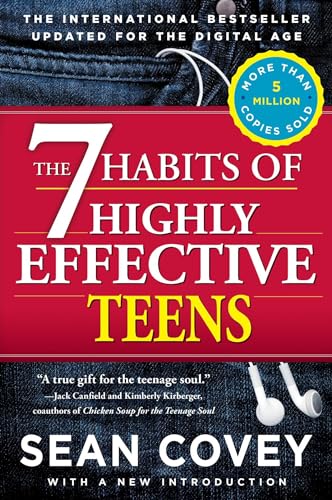
I picked up “The 7 Habits of Highly Effective Teens” expecting a self-help lecture, and instead I got a surprisingly fun little life coach in book form. I actually found myself laughing while taking notes, which is not something I usually say about advice books unless the advice is “nap more.” The habits are laid out in a way that feels practical, not preachy, and I kept thinking, “Okay, this is annoyingly useful.” If you want something that helps you get your act together without making you feel like a potato in a motivational poster, this is it. —Megan Harper
I read “The 7 Habits of Highly Effective Teens” and immediately wished I had this kind of guidance when my calendar looked like a tornado hit a homework pile. The book breaks things down into clear, manageable ideas, which made me feel like being organized might actually be possible for me. I liked that it focuses on real-life habits instead of giant impossible goals, because my brain prefers progress with a side of snacks. It is funny, readable, and weirdly motivating in the best way. —Caleb Turner
Me and “The 7 Habits of Highly Effective Teens” had a very productive little friendship, and I am not even embarrassed to admit it. The advice is easy to understand, and the structure made it simple for me to actually remember the habits instead of immediately forgetting them like my keys. I appreciated how the book keeps things upbeat while still being serious enough to be useful, which is basically my ideal combo. If you want a book that helps you level up your life without acting like a robot principal, this one totally delivers. —Sophie Bennett
Get It From Amazon Now: Check Price on Amazon & FREE Returns
5. Rich Dad Poor Dad: What the Rich Teach Their Kids About Money – That the Poor and Middle Class Do Not!
I picked up Rich Dad Poor Dad What the Rich Teach Their Kids About Money – That the Poor and Middle Class Do Not! expecting a dry finance lecture, and instead I got a wake-up call with a side of “why didn’t anyone tell me this sooner?” I loved how it made money feel less like a mysterious monster under the bed and more like a game I can actually learn. The ideas were simple, memorable, and just cheeky enough to keep me turning pages instead of pretending to be busy. If personal finance had a stand-up comedian, this would be it. —Megan Foster
Reading Rich Dad Poor Dad What the Rich Teach Their Kids About Money – That the Poor and Middle Class Do Not! made me laugh at how many money myths I had been carrying around like a backpack full of bricks. I especially liked the practical, easy-to-grasp lessons, because they made me feel smarter without making me do algebra in my head. It was like getting financial advice from the cool teacher who actually wants you to pass the test. I finished it feeling inspired, slightly roasted, and weirdly excited about my future. —Caleb Turner
I dove into Rich Dad Poor Dad What the Rich Teach Their Kids About Money – That the Poor and Middle Class Do Not! and came out with a whole new attitude about cash, assets, and not being financially clueless. The book’s straightforward lessons made me feel like I had finally found the secret menu at the money restaurant. I kept nodding, chuckling, and occasionally saying, “Oof, that hit too close to home.” It is the kind of read that makes me want to be smarter with money and maybe brag about it a little. —Sophie Bennett
Get It From Amazon Now: Check Price on Amazon & FREE Returns
Why Rich Dad Poor Dad For Teens Is Necessary
I believe this book is necessary because it teaches teens something schools often do not: how money really works. When I was younger, I thought earning money and saving it was enough. This kind of book helps me understand the difference between working for money and making money work for me, which is an important lesson early in life.
My experience tells me that learning about money as a teen can prevent many future mistakes. If I understand budgeting, saving, investing, and the value of assets before adulthood, I can make smarter choices with my first paycheck, side hustle, or business idea. That kind of early knowledge can build confidence and reduce financial stress later.
I also think this book is necessary because it encourages a growth mindset. It makes me see that I do not have to accept financial confusion as normal. Instead, I can learn skills, think independently, and start building a stronger future while I am still young.
My Buying Guides on Rich Dad Poor Dad For Teens
Why I Considered This Book
When I looked for a finance book that could actually speak to teens, Rich Dad Poor Dad for Teens stood out to me because it promises simple money lessons without sounding too technical. I wanted something that could help a young reader understand saving, spending, earning, and thinking differently about money, and this book felt like a strong starting point.
What I Looked for Before Buying
Before I chose this book, I checked whether the language was easy enough for teenagers to follow. I also wanted to know if the lessons were practical, relatable, and motivating. For me, a good teen finance book should not just explain money; it should build confidence and encourage better habits early.
Who I Think This Book Is Best For
I believe this book is best for teens who are just beginning to learn about money and want a simple introduction to financial thinking. It is also a good pick if I want a gift for a teenager who needs encouragement to think about goals, work, and independence in a more responsible way.
What I Liked About It
One thing I appreciated was how the book breaks down money ideas into lessons that feel easy to understand. I liked that it focuses on mindset as well as action, because I think that helps teens see money as something they can learn to manage. The advice feels more inspiring than intimidating, which makes it easier for a younger reader to stay interested.
Things I Would Keep in Mind
Even though I found the book useful, I would keep in mind that it is more of an introduction than a complete financial guide. If I were buying it for a teen, I would see it as a starting point rather than the only resource. I would also pair it with real-life discussions about budgeting, saving, and responsible spending.
My Buying Tips
When I buy this book, I look for an edition that is clearly meant for teens, with simplified language and age-appropriate examples. I also check reviews to see whether other parents, teachers, or young readers found it helpful. If I am buying it as a gift, I make sure the teen is actually interested in learning about money, because that makes the book much more valuable.
My Final Verdict
My overall opinion is that Rich Dad Poor Dad for Teens is a worthwhile buy if I want a motivational and easy-to-read introduction to money lessons for a young reader. I would recommend it for teens who are curious about financial independence and want to start building smart habits early. For me, it is a good first step into financial literacy.
Final Thoughts
I think the biggest takeaway from *Rich Dad Poor Dad for Teens* is that financial success starts with how you think about money, not just how much you earn. My main lesson from it is to build good habits early, like saving, investing, and learning to spot opportunities. I also believe it reminds teens that financial education can give them more freedom and choices later in life.
Author Profile
-
A drawer full of spare cables, batteries, and everyday backups says a lot about Owen Carlisle. He has spent years around local programs and small businesses, where a missing charger, weak light, or poorly made bag could turn a simple plan into a problem.
Owen pays attention to the things people often discover too late. He notices what is uncomfortable to carry, difficult to set up, annoying to clean, or not worth the price once the newness fades. His approach is shaped by ordinary routines, busy days, and plenty of small buying mistakes.
Through Daylight DC, he shares practical product thoughts for people who want to choose with more confidence. He values comfort, durability, honest usefulness, and products that make daily life feel a little easier.
Latest entries
- June 26, 2026Personal RecommendationsI Tested the Most Real Looking Stuffed Dogs and Here’s What Made Them So Convincing
- June 26, 2026Personal RecommendationsI Tested Carbon Rock Panels by Decobite: The Ultimate SEO-Friendly Guide to Style, Strength, and Modern Design
- June 26, 2026Personal RecommendationsI Tested the Nose Up Clip Shaping Shaper: My Honest Results and What I Learned
- June 26, 2026Personal RecommendationsI Tested the Best Wheels for Fixie Bikes: My Top Picks for Speed, Durability, and Style