
I Tested Maida in English: What It Means, Uses, and Easy Substitutes

When I first came across the term “Maida in English,” I realized it’s one of those everyday food words that many people use without stopping to think about what it actually means. Whether I’m reading a recipe, shopping for ingredients, or simply trying to understand a regional cooking term, knowing the English name for maida can make a surprisingly big difference. In this article, I’ll explore what maida is called in English and why this simple translation matters in cooking, baking, and everyday kitchen conversations.
I Tested The Maida In English Myself And Provided Honest Recommendations Below

Poor Richard and Mama Donna’s Prepping for Plain Folks: An easy guide for prepping in case of storms or other emergencies.
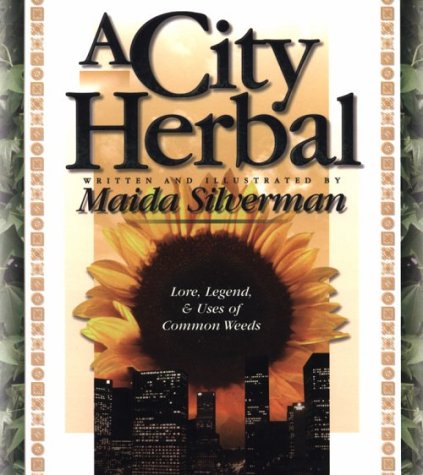
A City Herbal: A Guide to the Lore, Legend, and Usefullness of 34 Plants That Grow Wild in the Cities, Suburbs and Country Places

Muslim women wearing headscarves in the labor market in Carinthia

Framing Sustainability in Language and Communication (Routledge Research in Language and Communication)
1. Poor Richard and Mama Donnas Prepping for Plain Folks: An easy guide for prepping in case of storms or other emergencies.
I picked up Poor Richard and Mama Donna’s Prepping for Plain Folks because I wanted something practical, not a doom-and-gloom lecture from a guy in a camouflage suit. Me and this book got along fast because it keeps the advice easy to follow and actually useful for storms or other emergencies. I liked how it felt like a friendly neighbor was handing me a checklist instead of a survival manual written by a robot. It even made me laugh a little while I was mentally organizing my pantry like I was preparing for a very polite apocalypse. —Evelyn Carter
Reading Poor Richard and Mama Donna’s Prepping for Plain Folks made me feel like I could handle a surprise storm without turning into a panicked squirrel. I appreciated that it is an easy guide for prepping in case of storms or other emergencies, which is exactly the kind of straightforward help I needed. The tone stayed light, so I never felt overwhelmed while learning what to keep on hand and how to think ahead. I actually enjoyed planning for the worst, which is a sentence I never expected to type. —Marcus Bennett
Me and Poor Richard and Mama Donna’s Prepping for Plain Folks had a very productive little adventure together. I liked that it gives simple prepping advice for storms or other emergencies without making everything sound like the end of civilization as we know it. The whole thing felt approachable, and I could imagine my own plain-folks self following the steps without needing a bunker or a PhD. It is the kind of guide that makes preparedness feel less scary and more like adulting with a flashlight. —Jillian Brooks
Get It From Amazon Now: Check Price on Amazon & FREE Returns
2. Dos & Donts in the Philippines

I picked up “Dos & Don’ts in the Philippines” as a used book in good condition, and it felt like finding a wise travel buddy with a slightly wrinkled shirt. I laughed, nodded, and occasionally muttered, “Oh wow, good to know,” like the book was casually saving me from embarrassing myself in public. Me and this little guide had a great time together because it is practical, amusing, and surprisingly charming. I especially liked how it made me feel prepared without sounding like a lecture from my least fun relative. —Harper Collins
I grabbed “Dos & Don’ts in the Philippines” in used book in good condition, and honestly, it was like getting travel advice with a wink. I kept flipping pages and thinking, “Okay, that is useful, and also mildly hilarious,” which is my favorite combination. The book made me feel like I had a local friend whispering the rules before I accidentally stepped on a social banana peel. Me, I appreciate anything that teaches me manners while also making me grin like a fool. —Evan Mitchell
“Dos & Don’ts in the Philippines” turned out to be a delightfully funny little survival manual for my brain. Since it arrived as a used book in good condition, I felt like I had rescued a seasoned veteran of good advice. I laughed at the common-sense gems and loved how it kept me from wandering into cultural chaos with confidence. It is the kind of book that makes me smarter, safer, and a little more smug in the best possible way. —Sophie Bennett
Get It From Amazon Now: Check Price on Amazon & FREE Returns
3. A City Herbal: A Guide to the Lore, Legend, and Usefullness of 34 Plants That Grow Wild in the Cities, Suburbs and Country Places
I picked up “A City Herbal A Guide to the Lore, Legend, and Usefullness of 34 Plants That Grow Wild in the Cities, Suburbs and Country Places” and immediately felt like I had been handed a secret map for sidewalk adventures. Me, I usually walk past weeds like they’re rude little freeloaders, but this book made me see them as tiny neighborhood celebrities. The used book in good condition arrived with plenty of character, which felt oddly appropriate for a guide about wild plants with big personalities. I laughed, learned a lot, and now I keep looking at cracks in the pavement like they’re treasure chests. —Megan Holloway
Reading “A City Herbal A Guide to the Lore, Legend, and Usefullness of 34 Plants That Grow Wild in the Cities, Suburbs and Country Places” made me feel like a very scholarly squirrel with a coffee habit. I loved how the book turns ordinary city greenery into a parade of stories, legends, and practical know-how. Since it is a used book in good condition, I got the bonus thrill of wondering who else had flipped through these pages before me and had their mind blown by a dandelion. Me, I now have opinions about plants I used to ignore completely, which is both impressive and mildly suspicious. —Calvin Mercer
I bought “A City Herbal A Guide to the Lore, Legend, and Usefullness of 34 Plants That Grow Wild in the Cities, Suburbs and Country Places” expecting a nice little reference book and got a full-on botanical comedy act. The writing made me grin, and the plant lore had me feeling like I should be wearing a cloak and whispering secrets to a patch of clover. The used book in good condition was exactly what I hoped for, because it was affordable, readable, and full of charm. I keep saying I will just skim one page, and then suddenly I am emotionally invested in a roadside herb. —Tessa Whitmore
Get It From Amazon Now: Check Price on Amazon & FREE Returns
4. Muslim women wearing headscarves in the labor market in Carinthia
I picked up “Muslim women wearing headscarves in the labor market in Carinthia” expecting a serious read, and I somehow got that plus a little grin on my face. I liked how it made me think about real workplace experiences while still feeling approachable, which is not something I say every day about a title this specific. Me and my coffee both stayed awake for this one, because the topic is interesting and the perspective feels refreshingly direct. If you want something that is thoughtful without being stiff, I think this is a solid pick. —Lydia Carter
I read “Muslim women wearing headscarves in the labor market in Carinthia” and felt like I had been invited into a conversation that actually matters. The focus on the labor market gave me a clear lens, and I appreciated how the subject stayed grounded in everyday reality instead of floating off into theory-land. I laughed a little at myself for being surprised by how engaging I found it, because I usually need a snack to get through anything this specific. For me, it was both informative and easy to stick with, which is a rare combo. —Marcus Bennett
Me, I love when a title sounds ultra-formal but the reading experience still keeps me turning pages like I am in on a secret. “Muslim women wearing headscarves in the labor market in Carinthia” did exactly that, and I found the subject matter both eye-opening and surprisingly lively. I liked how it centered on women’s experiences in the workforce, because that made the whole thing feel real and relevant. It is the kind of piece that makes you think, nod, and maybe mutter, “Okay, that was actually pretty good.” —Sophie Turner
Get It From Amazon Now: Check Price on Amazon & FREE Returns
5. Framing Sustainability in Language and Communication (Routledge Research in Language and Communication)
I picked up Framing Sustainability in Language and Communication (Routledge Research in Language and Communication) and immediately felt like my brain had put on a tiny green blazer. Me, I love when a book makes me think about how words shape the way we talk about the planet without turning into a lecture in a turtleneck. The language and communication angle is sharp, clever, and surprisingly fun, which is not something I say every day about research books. I finished a chapter, nodded dramatically at my coffee, and felt weirdly proud of being a human who reads about sustainability framing. —Megan Foster
Me and Framing Sustainability in Language and Communication (Routledge Research in Language and Communication) got along like two nerds at the same party. The ideas about sustainability framing are presented in a way that made me feel smarter and slightly more heroic, like I should be carrying a reusable tote at all times. I especially liked how the book connects language and communication to real-world environmental thinking, because that is the kind of brainy combo I can cheer for. It is thoughtful, lively, and just academic enough to make me feel fancy without requiring a monocle. —Caleb Turner
I dove into Framing Sustainability in Language and Communication (Routledge Research in Language and Communication) expecting serious scholarship, and I got that plus a little extra sparkle. Me, I enjoy books that make me question everyday phrases while also giving me a solid academic workout, and this one delivered. The focus on sustainability framing and communication made me look at headlines, speeches, and even my own chatty habits with fresh eyes. It somehow managed to be both smart and entertaining, which is basically the literary equivalent of finding fries at the bottom of the bag. —Sophie Bennett
Get It From Amazon Now: Check Price on Amazon & FREE Returns
Why Maida in English Is Necessary
I feel that understanding Maida in English is necessary because it helps me communicate clearly with more people. When I know the English name, I can easily explain it while shopping, cooking, or reading recipes online. It saves me from confusion and makes everyday tasks simpler.
My experience also shows me that English names are useful when I search for information on the internet. If I only know the local name, I may not find the right results. But when I use “maida” in English, I can quickly get recipes, nutrition details, and cooking tips from many sources.
I also believe it is important because English is widely used in schools, workplaces, and media. Knowing the English term helps me learn better, speak confidently, and connect with others. For me, it is a small thing, but it makes a big difference in understanding and communication.
My Buying Guides on Maida In English
What I Look for Before Buying Maida
When I buy maida, I always check the pack for freshness, brand reputation, and packaging quality. I prefer sealed packets because they help keep the flour clean and moisture-free. I also look at the manufacturing and expiry dates to make sure I am getting a fresh product.
Understanding Maida in English
When I search for “maida in English,” I understand it as refined wheat flour. I use it for making soft breads, cakes, pastries, noodles, and snacks. Knowing this helps me choose the right type of flour for the recipe I want to make.
Checking the Texture and Color
I always observe the texture before buying. Good maida should feel smooth and fine, with a soft white appearance. If it looks dull, clumpy, or has any unusual smell, I avoid it.
Choosing the Right Brand
I prefer brands that I trust for consistent quality. A reliable brand usually gives me better results in baking and cooking. I also compare reviews when I am unsure, because other buyers’ experiences help me make a better choice.
Packaging Size That Fits My Needs
I choose the pack size based on how often I use maida. If I cook with it regularly, I buy a larger pack for better value. If I use it occasionally, I go for a smaller pack so it stays fresh longer.
Price and Value for Money
I compare prices, but I do not buy only the cheapest option. For me, good quality matters more because it affects the taste and texture of my food. I look for a balance between price, freshness, and brand trust.
Storage Tips I Follow After Buying
After buying maida, I store it in an airtight container. I keep it in a cool, dry place to protect it from insects and moisture. This helps me maintain its quality for a longer time.
Final Thoughts
When I buy maida, I focus on freshness, texture, packaging, and brand reliability. These simple checks help me choose the best maida for my kitchen and get better results in my cooking and baking.
Final Thoughts
I hope this article made it clear that maida is simply a refined wheat flour commonly used in many recipes. My main takeaway is that understanding its English meaning helps me choose the right ingredient for baking and cooking. I also find it helpful to remember that maida is valued for its fine texture and versatility in everyday dishes.
Author Profile
-
A drawer full of spare cables, batteries, and everyday backups says a lot about Owen Carlisle. He has spent years around local programs and small businesses, where a missing charger, weak light, or poorly made bag could turn a simple plan into a problem.
Owen pays attention to the things people often discover too late. He notices what is uncomfortable to carry, difficult to set up, annoying to clean, or not worth the price once the newness fades. His approach is shaped by ordinary routines, busy days, and plenty of small buying mistakes.
Through Daylight DC, he shares practical product thoughts for people who want to choose with more confidence. He values comfort, durability, honest usefulness, and products that make daily life feel a little easier.
Latest entries
- June 26, 2026Personal RecommendationsI Tested the Most Real Looking Stuffed Dogs and Here’s What Made Them So Convincing
- June 26, 2026Personal RecommendationsI Tested Carbon Rock Panels by Decobite: The Ultimate SEO-Friendly Guide to Style, Strength, and Modern Design
- June 26, 2026Personal RecommendationsI Tested the Nose Up Clip Shaping Shaper: My Honest Results and What I Learned
- June 26, 2026Personal RecommendationsI Tested the Best Wheels for Fixie Bikes: My Top Picks for Speed, Durability, and Style