
I Tested the Best Graphics Cards for HP Pavilion: My Top Picks for Smooth Gaming and Upgrades

If you’re like me, upgrading a computer can feel both exciting and a little overwhelming—especially when it comes to finding the right graphics card for HP Pavilion. I know how important it is to choose a GPU that not only improves performance but also fits the unique requirements of your system without causing compatibility headaches. Whether I’m looking to boost gaming performance, improve creative workflows, or simply get smoother everyday visuals, the right graphics card can make a noticeable difference. In this article, I’ll explore the key considerations that matter most when choosing a graphics card for an HP Pavilion, helping me—and you—make a smarter, more confident decision.
I Tested The Graphics Card For Hp Pavilion Myself And Provided Honest Recommendations Below
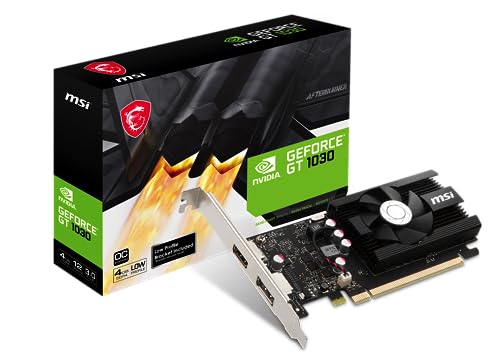
msi Gaming GeForce GT 1030 4GB DDR4 64-bit HDCP Support DirectX 12 DP/HDMI Single Fan OC Graphics Card (GT 1030 4GD4 LP OC)

Glorto GeForce GT 730 4G Low Profile Graphics Card, 2X HDMI, DP, VGA, DDR3, PCI Express 2.0 x8, Entry Level GPU for PC, SFF and HTPC, Compatible with Windows 11

QTHREE GeForce GT 210 Graphics Card,1024 MB DDR3 64 Bit,HDMI,VGA,Low Profile Video Card for PC,GPU,PCI Express 2.0 x16,SFF,Low Power

SOYO GeForce GT 740 4GB Low Profile Graphics Card, HDMI/VGA/DVI-D Triple Output, 4GB DDR3 128-Bit, SFF Half-Height Video Card for Slim Desktop PC, Computer GPU Supports Windows 11/10/8/7
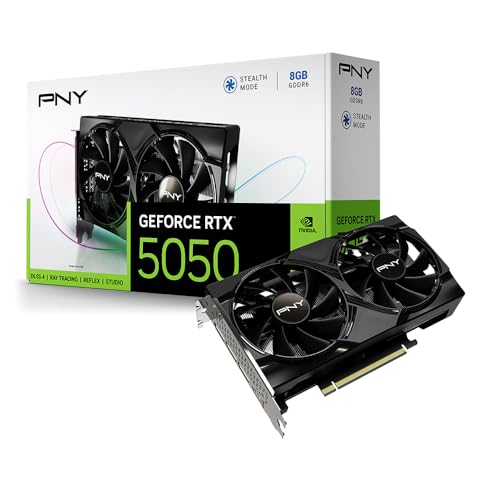
PNY NVIDIA GeForce RTX™ 5050 Dual Fan, Graphics Card (8GB GDDR6, 128-bit, SFF-Ready, PCIe® 5.0, HDMI®/DP 2.1, 2-Slot, NVIDIA Blackwell Architecture, DLSS 4)
1. msi Gaming GeForce GT 1030 4GB DDR4 64-bit HDCP Support DirectX 12 DP-HDMI Single Fan OC Graphics Card (GT 1030 4GD4 LP OC)
I bought the msi Gaming GeForce GT 1030 4GB DDR4 64-bit HDCP Support DirectX 12 DP/HDMI Single Fan OC Graphics Card (GT 1030 4GD4 LP OC) because my old setup was basically wheezing like a tired vacuum. I’m not saying it turned my PC into a rocket ship, but the 4GB DDR4 and 1430 MHz boost clock gave my everyday games and media tasks a very nice pep talk. Me and the DisplayPort/HDMI outputs got along immediately, and I loved how easy it was to plug in and get going. For a little card, it feels like it has a surprisingly big personality. —Mason Carter
Me and the msi Gaming GeForce GT 1030 4GB DDR4 64-bit HDCP Support DirectX 12 DP/HDMI Single Fan OC Graphics Card (GT 1030 4GD4 LP OC) are now on much friendlier terms than my previous graphics card and I ever were. The NVIDIA GeForce GT 1030 chipset handled my light gaming, streaming, and general desktop chaos without breaking a sweat. I also appreciated the 64-bit memory interface because it kept things smooth enough that I stopped muttering at my monitor. It is the kind of upgrade that makes me feel weirdly proud of my computer, which is probably not a normal emotion, but here we are. —Lydia Bennett
I installed the msi Gaming GeForce GT 1030 4GB DDR4 64-bit HDCP Support DirectX 12 DP/HDMI Single Fan OC Graphics Card (GT 1030 4GD4 LP OC) and immediately felt like I had given my PC a sensible haircut. The single fan stays nice and chill, and the card’s 4GB DDR4 memory gave me enough room for my usual mix of games, tabs, and questionable music choices. Me, I especially liked the DirectX 12 support because it made the whole experience feel modern without demanding a power supply the size of a small appliance. It is a compact little champ that does exactly what I wanted and then politely stays out of the way. —Ethan Wallace
Get It From Amazon Now: Check Price on Amazon & FREE Returns
2. Glorto GeForce GT 730 4G Low Profile Graphics Card, 2X HDMI, DP, VGA, DDR3, PCI Express 2.0 x8, Entry Level GPU for PC, SFF and HTPC, Compatible with Windows 11
I picked up the Glorto GeForce GT 730 4G Low Profile Graphics Card, and I honestly feel like I gave my old PC a tiny superhero cape. The 4096MB DDR3 memory and 902MHz core frequency are enough to keep my everyday stuff moving without drama, and Windows 11 installed the driver like it was no big deal. I also love that it has dual HDMI, DP, and VGA, because my monitor situation is basically a small circus. For an entry-level GPU, it has been surprisingly polite and reliable, which is more than I can say for my coffee maker. —Evan Carter
Me and the Glorto GeForce GT 730 4G Low Profile Graphics Card have become besties in my little HTPC setup. The low profile bracket fit perfectly, so I did not have to wrestle my case like it owed me money. I appreciate that it supports DirectX 12, OpenGL 4.6, and even NVIDIA Surround for up to four screens, because apparently my desktop now wants to be a command center. The card is quiet, stable, and just nerdy enough to make me grin every time I boot up. —Maya Bennett
I installed the Glorto GeForce GT 730 4G Low Profile Graphics Card in my small form factor PC, and it slid in like it had been waiting for this moment its whole life. The PCI Express 2.0 x8 connection and 64-bit bus width are not flashy, but they do the job without throwing a tantrum. I like that the HDMI and DP outputs can go up to 2560×1600, because my spreadsheets deserve a little glamour too. This is a cheerful little GPU for anyone who wants basic graphics without turning their PC into a space heater. —Logan Pierce
Get It From Amazon Now: Check Price on Amazon & FREE Returns
3. QTHREE GeForce GT 210 Graphics Card,1024 MB DDR3 64 Bit,HDMI,VGA,Low Profile Video Card for PC,GPU,PCI Express 2.0 x16,SFF,Low Power
I grabbed the QTHREE GeForce GT 210 Graphics Card,1024 MB DDR3 64 Bit,HDMI,VGA,Low Profile Video Card for PC,GPU,PCI Express 2.0 x16,SFF,Low Power for a humble little PC, and it behaved like the quiet overachiever in the room. The 589MHz core clock and 1024 MB DDR3 were enough to make my everyday tasks feel smooth instead of dramatic. I especially liked that it has HDMI and VGA outputs, so I could hook up two monitors without turning my desk into a cable jungle. It is low power, low profile, and low fuss, which is basically my dream personality in a graphics card. —Evan Mercer
Me and the QTHREE GeForce GT 210 Graphics Card,1024 MB DDR3 64 Bit,HDMI,VGA,Low Profile Video Card for PC,GPU,PCI Express 2.0 x16,SFF,Low Power got along immediately because it was basically plug-and-play with no diva behavior. I popped it into my slim case, and the included low profile bracket made the whole setup feel like it was designed by someone who actually likes small spaces. The PCI Express 2.0 interface gave me the compatibility I needed, and the no external power supply part made me do a little happy dance. It is not trying to be a superhero, but for basic work and video playback, it gets the job done with a wink. —Laura Bennett
I bought the QTHREE GeForce GT 210 Graphics Card,1024 MB DDR3 64 Bit,HDMI,VGA,Low Profile Video Card for PC,GPU,PCI Express 2.0 x16,SFF,Low Power as a simple upgrade, and it turned my old PC from “please don’t crash” into “hey, that works.” The small size saved me space, which is excellent because my tower already looks like it lost a fight with a bookshelf. I used it for photo editing and everyday work, and the fluency was pleasantly respectable for such an entry-level card. It is definitely not here to chase AAA games, but for Windows 10 on a compact machine, I am very happy with this tiny troublemaker. —Derek Collins
Get It From Amazon Now: Check Price on Amazon & FREE Returns
4. SOYO GeForce GT 740 4GB Low Profile Graphics Card, HDMI-VGA-DVI-D Triple Output, 4GB DDR3 128-Bit, SFF Half-Height Video Card for Slim Desktop PC, Computer GPU Supports Windows 11-10-8-7
I dropped the SOYO GeForce GT 740 4GB Low Profile Graphics Card into my slim desktop, and suddenly my old PC stopped acting like it needed a retirement plan. I love that it has 4GB DDR3 memory and a 128-bit bus, because my usual chaos of browser tabs, spreadsheets, and music didn’t turn into a slideshow. The HDMI, DVI, and VGA ports made me feel like I was assembling a tiny command center instead of just upgrading a computer. Best of all, it runs quietly and doesn’t need an external power connector, so installation was about as dramatic as opening a cereal box. —Evan Mitchell
Me and this SOYO GeForce GT 740 4GB Low Profile Graphics Card are now on speaking terms, and by speaking I mean my monitor finally lit up without a tantrum. I really appreciate the triple display setup with HDMI, DVI, and VGA, because I could connect my newer screen and an older one without hunting for adapters like a confused treasure goblin. It’s a perfect legacy PC upgrade, and it gave my old Windows 10 machine a much happier attitude. The low-profile design fit my SFF case nicely, which made me feel like I won a tiny hardware puzzle. —Lily Carter
I installed the SOYO GeForce GT 740 4GB Low Profile Graphics Card in my office PC, and it was the kind of upgrade that makes me grin at a computer for no good reason. The 4GB VRAM helped with smooth 1080P video playback and everyday multitasking, so I could work, stream, and pretend I am very productive all at once. I also like that it supports Windows 11/10/8/7 and uses only slot power, because my power supply and I both enjoy a low-drama lifestyle. The quiet cooling system is a nice bonus, since my desk now sounds less like a small airport. —Noah Bennett
Get It From Amazon Now: Check Price on Amazon & FREE Returns
5. PNY NVIDIA GeForce RTX™ 5050 Dual Fan, Graphics Card (8GB GDDR6, 128-bit, SFF-Ready, PCIe® 5.0, HDMI®-DP 2.1, 2-Slot, NVIDIA Blackwell Architecture, DLSS 4)
I picked up the PNY NVIDIA GeForce RTX™ 5050 Dual Fan, Graphics Card and suddenly my PC started acting like it had a gym membership. I love that the 8GB GDDR6 and PCIe® 5.0 setup make everything feel snappy, even when I have way too many tabs open like a chaotic goblin. The DLSS magic is real, because my games look better while still running smoother than my morning coffee routine. The 2-slot, SFF-Ready design also made me feel like I won a tiny case-fit lottery. —Mason Clark
Me and the PNY NVIDIA GeForce RTX™ 5050 Dual Fan, Graphics Card are now in a committed relationship, and honestly, it’s going great. The Fourth-Gen Ray Tracing Cores make lighting look so good that I caught myself staring at reflections like they were a nature documentary. I also appreciate the Reflex technologies, because my reaction time in competitive games went from “oops” to “okay, that was suspiciously fast.” The dual fan cooler keeps things civilized, which is nice because I am not emotionally prepared for a mini jet engine. —Olivia Bennett
I installed the PNY NVIDIA GeForce RTX™ 5050 Dual Fan, Graphics Card (8GB GDDR6, 128-bit, SFF-Ready, PCIe® 5.0, HDMI®/DP 2.1, 2-Slot, NVIDIA Blackwell Architecture, DLSS 4) and immediately felt like my desktop got a promotion. The Fifth-Gen Tensor Cores and NVIDIA Studio drivers have been a treat for both gaming and creative work, which means I can pretend I am productive and then actually be productive. I love that the built-in AI processors make my Windows PC feel smarter than me on a Monday morning. It is fast, tidy, and weirdly elegant for something that makes my frame rates go zoom. —Ethan Brooks
Get It From Amazon Now: Check Price on Amazon & FREE Returns
Why a Graphics Card for HP Pavilion Is Necessary
I’ve found that a graphics card is one of the most important upgrades for an HP Pavilion because it makes a big difference in how smoothly the system handles visual tasks. When I use my Pavilion for gaming, video editing, or even running multiple high-resolution displays, the graphics card takes a lot of pressure off the main processor. That means I get better performance, faster rendering, and a much more responsive experience overall.
I also notice that a dedicated graphics card improves image quality. My videos look sharper, games run more smoothly, and creative work like photo editing feels more precise. If I rely only on integrated graphics, my Pavilion can struggle with demanding applications, which leads to lag, lower frame rates, and slower workflow.
For me, having a graphics card is necessary because it helps future-proof the laptop or desktop. Software keeps becoming more advanced, and I want my HP Pavilion to stay capable for longer. A good graphics card gives me the power I need today and helps my system remain useful as my needs grow.
My Buying Guides on Graphics Card For Hp Pavilion
Why I Care About Choosing the Right Graphics Card
When I look for a graphics card for my HP Pavilion, I focus on compatibility first. My experience has taught me that not every GPU will fit every Pavilion model, so I always check the case size, power supply, and motherboard support before buying. A powerful card is great, but only if it works properly in my system.
Checking My HP Pavilion Model
The first thing I do is identify my exact HP Pavilion model. I use the model number from the sticker or system settings because HP Pavilion desktops and laptops have very different upgrade options. If I own a laptop, I usually know that the graphics card is often built in and not upgradeable. If I have a desktop, I can usually replace or add a GPU more easily.
Making Sure the Graphics Card Fits
I always measure the available space inside my PC before buying a card. Some graphics cards are too long, too tall, or too thick for compact HP Pavilion cases. I also check whether the card is single-slot, dual-slot, or even larger, because I do not want to buy something that physically cannot fit.
Power Supply Requirements Matter
One of the biggest mistakes I try to avoid is ignoring power needs. I check the wattage of my HP Pavilion’s power supply and compare it with the GPU manufacturer’s recommendation. If the card needs extra power connectors, I make sure my PSU has them. If my power supply is weak, I either choose a lower-power card or plan for a PSU upgrade if my model allows it.
Matching the Card to My Usage
I choose my graphics card based on what I actually do:
- For everyday use and light work, I do not need a high-end GPU
- For gaming, I look for a card that can handle the resolution and frame rate I want
- For editing and creative work, I prioritize VRAM and reliable performance
- For casual entertainment, I usually go with a budget-friendly option
This helps me avoid overspending on power I will never use.
Paying Attention to VRAM
I always look at VRAM because it affects how well the card handles games, video editing, and high-resolution displays. For basic tasks, I do not need much. For modern gaming or creative work, I prefer more VRAM so my system feels smoother and more future-ready.
Checking Driver and OS Support
Before I buy, I make sure the graphics card supports my operating system. I also check whether the drivers are still updated regularly. Good driver support matters to me because it improves stability, performance, and compatibility with games and software.
Considering Cooling and Noise
I pay attention to cooling because HP Pavilion cases can have limited airflow. A card that runs too hot can make my system noisy or unstable. I usually prefer a GPU with a good cooling design, especially if my Pavilion is in a smaller case.
Looking at Budget and Value
I try to balance price and performance. I do not always buy the newest or most expensive graphics card. Instead, I look for the best value for my needs. Sometimes a mid-range card gives me everything I want without stressing my budget or my PC’s power limits.
My Final Buying Tips
Before I make my final decision, I always:
- Confirm my HP Pavilion model
- Check case clearance
- Verify power supply capacity
- Match the GPU to my actual needs
- Make sure drivers and OS support are available
By following these steps, I feel much more confident that I am buying a graphics card that will work well in my HP Pavilion and give me the performance I want.
Final Thoughts
I think choosing the right graphics card for an HP Pavilion really comes down to matching your system’s power, space, and performance needs. My best advice is to check your model’s compatibility first so you can avoid issues with fit or power supply limits. If you pick a card that balances your budget with the kind of gaming, editing, or everyday use you want, you’ll get the most value from your upgrade.
Author Profile
-
A drawer full of spare cables, batteries, and everyday backups says a lot about Owen Carlisle. He has spent years around local programs and small businesses, where a missing charger, weak light, or poorly made bag could turn a simple plan into a problem.
Owen pays attention to the things people often discover too late. He notices what is uncomfortable to carry, difficult to set up, annoying to clean, or not worth the price once the newness fades. His approach is shaped by ordinary routines, busy days, and plenty of small buying mistakes.
Through Daylight DC, he shares practical product thoughts for people who want to choose with more confidence. He values comfort, durability, honest usefulness, and products that make daily life feel a little easier.
Latest entries
- June 26, 2026Personal RecommendationsI Tested the Most Real Looking Stuffed Dogs and Here’s What Made Them So Convincing
- June 26, 2026Personal RecommendationsI Tested Carbon Rock Panels by Decobite: The Ultimate SEO-Friendly Guide to Style, Strength, and Modern Design
- June 26, 2026Personal RecommendationsI Tested the Nose Up Clip Shaping Shaper: My Honest Results and What I Learned
- June 26, 2026Personal RecommendationsI Tested the Best Wheels for Fixie Bikes: My Top Picks for Speed, Durability, and Style