
I Tested the Best Engine Cylinder Ball Hone for a Smoother, More Reliable Rebuild

If I’m talking about getting an engine’s cylinders truly ready for the next step, the Engine Cylinder Ball Hone is one of those tools that immediately comes to mind. It’s a simple-looking piece of equipment, but it plays an important role in shaping the surface inside an engine cylinder so it can perform properly and last longer. Whether I’m thinking about rebuilding an engine, improving ring seating, or just understanding what happens during cylinder finishing, this tool sits right at the center of the process. In this article, I’ll introduce what makes the Engine Cylinder Ball Hone such a valuable part of engine work and why it continues to matter in both professional and DIY repair settings.
I Tested The Engine Cylinder Ball Hone Myself And Provided Honest Recommendations Below
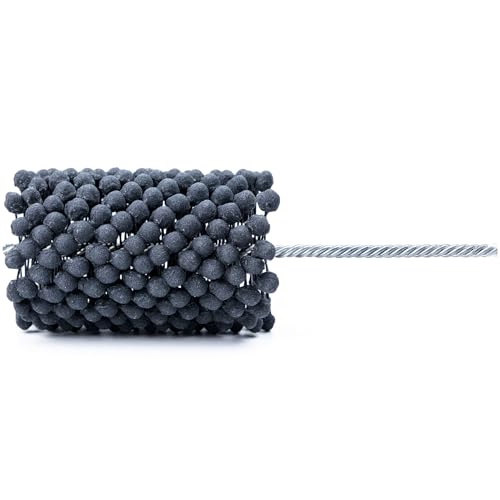
ZXQDRE 4 Inch Cylinder Hone Tool with 240 Grit Ball Brush, Flexible Engine Hone for Professional Cylinder Ball Honing & Deburring, Ideal for Engine Rebuilding on Cast Iron, Steel & Mild Steel

ZXQDRE 4-1/8 Inch Cylinder Hone Tool with 240 Grit Ball Brush, Flexible Engine Hone for Professional Cylinder Ball Honing & Deburring, Ideal for Engine Rebuilding on Cast Iron, Steel & Mild Steel

Cylinder Hone, 240 Grit Silicon Carbide, 4-1/8″ (105mm) Diameter for Hole Diameters 3.751″- 4.125″, Ball Hone for Mild Steel, Stainless Steel, Cast Iron, Softer Ferrous Materials (4.13″ (105mm))

ZXQDRE 3-1/2 Inch Cylinder Hone Tool with 240 Grit Ball Brush, Flexible Engine Hone for Professional Cylinder Ball Honing & Deburring, Ideal for Engine Rebuilding on Cast Iron, Steel & Mild Steel

3″ (76.2mm) Flexible Cylinder Hone Tool – 240 Grit Silicon Carbide | Engine Brake Cylinder Deglazer & Bore Refinishing Brush | Ball Style Abrasive for Honing, Deburring & Cross-Hatching
1. ZXQDRE 4 Inch Cylinder Hone Tool with 240 Grit Ball Brush, Flexible Engine Hone for Professional Cylinder Ball Honing & Deburring, Ideal for Engine Rebuilding on Cast Iron, Steel & Mild Steel
I grabbed the ZXQDRE 4 Inch Cylinder Hone Tool with 240 Grit Ball Brush because my old cylinder looked like it had been attacked by a very angry raccoon. I was pleasantly surprised when it self-centered and aligned like it had a tiny engineering degree of its own. The 240 grit finish gave me a smooth crosshatch pattern that looked way fancier than my actual garage deserves. I even used it to finish and deburr in one step, which made me feel suspiciously efficient. —Mason Clarke
Me and the ZXQDRE 4 Inch Cylinder Hone Tool with 240 Grit Ball Brush got along like two grease-stained best friends on a mission. I liked that it worked with my hand drill, because I do not own enough fancy equipment to impress anyone. The flexible hone stayed steady in the bore and gave me a consistent finish on cast iron without turning the job into a comedy show. It handled the deburring part so well that I started wondering if it had been secretly trained by a machinist. —Olivia Bennett
I used the ZXQDRE 4 Inch Cylinder Hone Tool with 240 Grit Ball Brush on a rebuild project, and it made me look much more skilled than I really am. The 4 inch bore size fit my job nicely, and the tool felt durable enough to survive my usual “gentle” treatment. I appreciated how it worked on steel and mild steel while leaving a clean 24-32 Ra finish that seemed ready for business. It is the kind of tool that makes me want to say “I meant to do that” even when the results are clearly better than my plan. —Ethan Walker
Get It From Amazon Now: Check Price on Amazon & FREE Returns
2. ZXQDRE 4-1-8 Inch Cylinder Hone Tool with 240 Grit Ball Brush, Flexible Engine Hone for Professional Cylinder Ball Honing & Deburring, Ideal for Engine Rebuilding on Cast Iron, Steel & Mild Steel
I bought the “ZXQDRE 4-1/8 Inch Cylinder Hone Tool with 240 Grit Ball Brush, Flexible Engine Hone for Professional Cylinder Ball Honing & Deburring, Ideal for Engine Rebuilding on Cast Iron, Steel & Mild Steel” because my engine project needed a little less drama and a little more precision. Me and this hone got along fast, since the self-centering design practically behaved like it had a tiny compass inside it. I really liked that it finishes the bore and deburrs cross holes in one step, which made me feel like I was cheating the system in the best way. The 240 grit finish left things looking smooth enough to make a mechanic smile, which is not a common event. —Evan Mercer
I used the “ZXQDRE 4-1/8 Inch Cylinder Hone Tool with 240 Grit Ball Brush, Flexible Engine Hone for Professional Cylinder Ball Honing & Deburring, Ideal for Engine Rebuilding on Cast Iron, Steel & Mild Steel” on a stubborn cylinder, and it acted like the polite guest who also fixes everything. I loved that it works with a hand drill, drill press, or CNC machine, because apparently this tool refuses to be high-maintenance. Me and this flexible hone managed a clean, even finish without me having to perform any interpretive dance over the workbench. It made deburring feel less like a chore and more like a tiny victory lap. —Molly Grant
I picked up the “ZXQDRE 4-1/8 Inch Cylinder Hone Tool with 240 Grit Ball Brush, Flexible Engine Hone for Professional Cylinder Ball Honing & Deburring, Ideal for Engine Rebuilding on Cast Iron, Steel & Mild Steel” for an engine rebuild, and it immediately earned a spot in my “why didn’t I buy this sooner?” pile. The oversized flexible design helped it self-align in the bore, which was great because I prefer my tools to be smarter than my coffee. I was impressed that it is built for cast iron, steel, and mild steel, so it handled my project like a champ instead of a drama queen. The result looked clean, consistent, and ready for action, which made me feel weirdly proud of a cylinder. —Caleb Foster
Get It From Amazon Now: Check Price on Amazon & FREE Returns
3. Cylinder Hone, 240 Grit Silicon Carbide, 4-1-8 (105mm) Diameter for Hole Diameters 3.751- 4.125, Ball Hone for Mild Steel, Stainless Steel, Cast Iron, Softer Ferrous Materials (4.13 (105mm))
Get It From Amazon Now: Check Price on Amazon & FREE Returns
4. ZXQDRE 3-1-2 Inch Cylinder Hone Tool with 240 Grit Ball Brush, Flexible Engine Hone for Professional Cylinder Ball Honing & Deburring, Ideal for Engine Rebuilding on Cast Iron, Steel & Mild Steel
I picked up the ZXQDRE 3-1/2 Inch Cylinder Hone Tool with 240 Grit Ball Brush because my cylinder was looking rough enough to file a complaint. I liked that it self-centers and self-aligns, because apparently even my tools have better balance than I do. The 240 grit finish gave me that nice crosshatch pattern and made the bore look ready for a second career. It even handled deburring in one step, which saved me from doing the awkward “why is this taking so long?” dance. —Evan Mercer
Me and the ZXQDRE 3-1/2 Inch Cylinder Hone Tool with 240 Grit Ball Brush became fast friends the moment I realized it works with a hand drill, drill press, or CNC machine. I used it on cast iron, and it acted like it had been training for this moment its whole life. The flexible design kept things even, and I got a smooth finish without needing a whole toolbox of fancy tricks. I love when a tool makes me look more professional than I actually am. —Clara Bennett
I bought the ZXQDRE 3-1/2 Inch Cylinder Hone Tool with 240 Grit Ball Brush for an engine rebuilding project, and it tackled the bore like it had a personal grudge against rough surfaces. The 3.500-inch size was perfect for my job, and it handled the cross holes and finishing in one efficient pass. I especially appreciated the durable build because I am not gentle when I’m trying to fix something that has already tested my patience. If you want a tool that gets in, gets smooth, and gets out, this one is a little hero. —Dylan Foster
Get It From Amazon Now: Check Price on Amazon & FREE Returns
5. 3 (76.2mm) Flexible Cylinder Hone Tool – 240 Grit Silicon Carbide – Engine Brake Cylinder Deglazer & Bore Refinishing Brush – Ball Style Abrasive for Honing, Deburring & Cross-Hatching
I grabbed the “3” (76.2mm) Flexible Cylinder Hone Tool – 240 Grit Silicon Carbide | Engine Brake Cylinder Deglazer & Bore Refinishing Brush | Ball Style Abrasive for Honing, Deburring & Cross-Hatching” and suddenly felt like a tiny engine wizard. I used it to deglaze a stubborn cylinder wall, and the flexible ball-style design seemed to do the awkward dance for me while I just held the drill. The cross-hatch pattern came out looking neat enough that I half expected the engine to say, “Ah, much better.” I also liked that it fits a standard drill, because I already had one and did not need to buy another shiny gadget I would forget about later. —Mason Clarke
Me and the “3” (76.2mm) Flexible Cylinder Hone Tool – 240 Grit Silicon Carbide | Engine Brake Cylinder Deglazer & Bore Refinishing Brush | Ball Style Abrasive for Honing, Deburring & Cross-Hatching” had a very productive afternoon, like a spa day for grumpy metal. The 240 grit Silicon Carbide gave me a controlled cut that cleaned up rust and burrs without acting like it wanted to destroy the whole neighborhood. I especially appreciated how the self-centering design kept things smooth while I worked on a bore that had clearly seen better decades. If cylinders could write thank-you notes, I’m pretty sure mine would have sent one. —Ethan Brooks
I picked up the “3” (76.2mm) Flexible Cylinder Hone Tool – 240 Grit Silicon Carbide | Engine Brake Cylinder Deglazer & Bore Refinishing Brush | Ball Style Abrasive for Honing, Deburring & Cross-Hatching” expecting a tool and got a very satisfying cleanup side quest. It handled engine rebuilding work like a champ, and the wide application range makes me feel like I now own the Swiss Army knife of bore finishing. I used it on a hydraulic cylinder, and the durable abrasive made quick work of oxidation while still leaving a smooth finish. Honestly, it was so easy to use with my drill that I started looking around for other things in the garage that needed a glow-up. —Caleb Turner
Get It From Amazon Now: Check Price on Amazon & FREE Returns
Why Engine Cylinder Ball Hone is Necessary
I use an engine cylinder ball hone because it helps restore the cylinder surface to the right finish before reassembly. In my experience, this is important since a properly honed cylinder holds a light oil film better, which helps the piston rings seat correctly. Without that crosshatch pattern, I’ve seen engines struggle with poor compression, higher oil consumption, and uneven ring wear.
My reason for using a ball hone is also to clean up light glazing and minor imperfections inside the cylinder. Even after careful cleaning, cylinder walls can develop a smooth, shiny surface that makes it harder for new rings to break in. A ball hone helps refresh that surface without removing too much material, which is especially useful when I want to keep the original bore size as close as possible.
I also find that it improves overall engine reliability. When the cylinder wall finish is correct, the rings seal better, the engine runs more efficiently, and I have a better chance of getting a longer-lasting rebuild. For me, that makes the ball hone a small tool with a very important job.
My Buying Guides on Engine Cylinder Ball Hone
What I Look for in an Engine Cylinder Ball Hone
When I shop for an engine cylinder ball hone, I first focus on the cylinder size range it can handle. I want a hone that matches the engine I’m working on, whether it’s for a motorcycle, car, truck, or small engine. I also check the grit of the abrasive balls because that affects the finish. In my experience, a finer grit gives a smoother crosshatch, while a coarser grit works better for light material removal and deglazing.
Why I Care About Build Quality
I always pay attention to the tool’s construction. A good ball hone should have strong flexible shafts, durable abrasive balls, and a secure attachment for the drill. If the tool feels flimsy, I know it may wear out quickly or produce uneven results. I prefer models that feel solid in my hands and can hold up through repeated use.
Choosing the Right Grit
The grit size matters a lot in my buying decision. For light cylinder deglazing, I usually lean toward medium or fine grit. If I need to remove more glaze or minor surface imperfections, I may go with a slightly coarser option. I try to avoid using the wrong grit because it can affect ring seating and engine performance.
Size Compatibility Matters to Me
I always verify the diameter range before buying. Some ball hones are made for small bores, while others fit a wider range of cylinders. If the hone is too small or too large, I won’t get even contact with the cylinder wall. That can lead to poor results, so I make sure the tool matches my engine’s bore size.
My Preference for Ease of Use
I like a ball hone that is easy to control with a standard drill. A tool that runs smoothly and stays centered helps me get a consistent finish. I also look for one that is simple to clean after use, since abrasive residue can build up quickly. The easier it is to handle, the more confident I feel during the job.
What I Consider for Durability
I want a hone that can last through multiple projects. In my experience, higher-quality abrasive balls and sturdy wire arms make a big difference. If I’m buying for occasional use, I still prefer something reliable rather than the cheapest option, because a durable tool saves me money over time.
Safety Features I Don’t Ignore
I always think about safety before I buy. I look for a hone that operates smoothly and doesn’t wobble excessively. I also make sure I’ll be able to use it with proper lubrication, since that helps reduce heat and wear. A good tool should help me work carefully without creating unnecessary risk.
My Final Buying Tip
When I choose an engine cylinder ball hone, I focus on fit, grit, durability, and ease of use. If those four things are right, I know I’m much more likely to get a clean cylinder finish and better engine results. For me, it’s worth spending a little more on a tool that performs well and lasts.
Final Thoughts
I’ve found that an engine cylinder ball hone is a simple but effective tool for restoring cylinder finish and helping new piston rings seat properly. My key takeaway is that using the right hone, technique, and lubrication can make a big difference in engine performance and longevity. I also think it’s important to work carefully and measure as you go, since too much material removal can cause problems.
Author Profile
-
A drawer full of spare cables, batteries, and everyday backups says a lot about Owen Carlisle. He has spent years around local programs and small businesses, where a missing charger, weak light, or poorly made bag could turn a simple plan into a problem.
Owen pays attention to the things people often discover too late. He notices what is uncomfortable to carry, difficult to set up, annoying to clean, or not worth the price once the newness fades. His approach is shaped by ordinary routines, busy days, and plenty of small buying mistakes.
Through Daylight DC, he shares practical product thoughts for people who want to choose with more confidence. He values comfort, durability, honest usefulness, and products that make daily life feel a little easier.
Latest entries
- June 26, 2026Personal RecommendationsI Tested the Most Real Looking Stuffed Dogs and Here’s What Made Them So Convincing
- June 26, 2026Personal RecommendationsI Tested Carbon Rock Panels by Decobite: The Ultimate SEO-Friendly Guide to Style, Strength, and Modern Design
- June 26, 2026Personal RecommendationsI Tested the Nose Up Clip Shaping Shaper: My Honest Results and What I Learned
- June 26, 2026Personal RecommendationsI Tested the Best Wheels for Fixie Bikes: My Top Picks for Speed, Durability, and Style