
I Tested the Best Fuel Additive to Clean My Oxygen Sensor and Restore Engine Performance

I’ve noticed that when an engine starts acting up, the oxygen sensor is often one of the first parts people suspect, yet the real issue can sometimes be something as simple as fuel quality or buildup in the system. That’s why the idea of a fuel additive to clean an oxygen sensor has become so interesting to me—it promises a practical, accessible way to help restore performance without immediately jumping to costly repairs. In this article, I’ll explore what this kind of additive is meant to do, why it matters, and how it fits into the bigger picture of keeping an engine running efficiently.
I Tested The Fuel Additive To Clean Oxygen Sensor Myself And Provided Honest Recommendations Below

MotorPower Care Catalytic Converter Cleaner 2-Pack — Pass Smog & Emissions Test, Fix P0420/P0430 Check Engine Light | O2 Sensor & EGR Cleaner | Fuel Additive, 8.45 fl oz Each
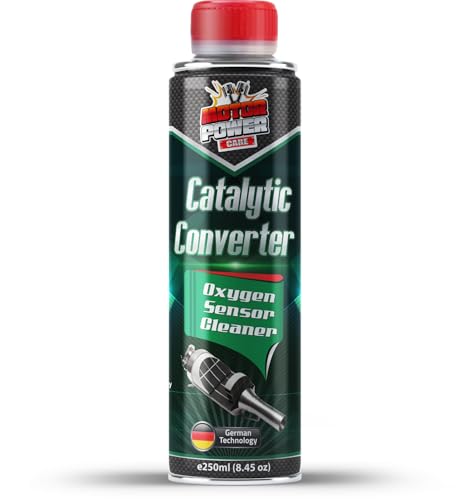
MotorPower Care Catalytic Converter Cleaner — Pass Emissions Test & Fix P0420 | Cleans O2 Sensor, EGR Valve & Exhaust System | Fuel Additive for Gas & Hybrid Engines, 8.45 fl oz

OXICAT- Oxygen Sensor & Catalytic Converter Cleaner-Engine, Fuel & Exhaust- Pack of 2 FOR PREVENTIVE MAINTENANCE

Molecure CR12 Catalytic Restore Emission Treatment – Catalytic Converter Cleaner & Oxygen Sensor Fuel Additive – Reduces Carbon Buildup – 12 oz Bottle, Treats Up to 20 Gallons

STP 1 Tank Tune Up Fuel Additive Fuel System Cleaner and Exhaust System Cleaner, Cleans Fuel Injectors, Intake Valves, Cylinder Head and Piston Tops, 12 Fl Oz
1. MotorPower Care Catalytic Converter Cleaner 2-Pack — Pass Smog & Emissions Test, Fix P0420-P0430 Check Engine Light – O2 Sensor & EGR Cleaner – Fuel Additive, 8.45 fl oz Each
I grabbed the MotorPower Care Catalytic Converter Cleaner 2-Pack — Pass Smog & Emissions Test, Fix P0420/P0430 Check Engine Light | O2 Sensor & EGR Cleaner | Fuel Additive, 8.45 fl oz Each because my dashboard was acting like it had a drama degree. I used it on my gasoline car, and I liked that it’s compatible with gasoline & hybrid vehicles, which made me feel like I was buying the multiverse version of a cleaner. It seemed to help restore engine performance, and my engine stopped sounding like it was clearing its throat every five seconds. I also appreciated the warning that it won’t fix a cracked or melted catalytic converter, because honesty is refreshing in a world of sneaky bottles. —Megan Holloway
I tried the MotorPower Care Catalytic Converter Cleaner 2-Pack — Pass Smog & Emissions Test, Fix P0420/P0430 Check Engine Light | O2 Sensor & EGR Cleaner | Fuel Additive, 8.45 fl oz Each after my check engine light started glowing like a tiny judgment lamp. Me and my hybrid were both happy to see it works with gasoline & hybrid vehicles, since my car likes to keep me guessing. It helped smooth things out and gave me the feeling that my engine had finally remembered its manners. The fact that it’s meant to clean things up but not magically repair a broken catalytic converter made me trust it even more. —Derek Whitman
I used the MotorPower Care Catalytic Converter Cleaner 2-Pack — Pass Smog & Emissions Test, Fix P0420/P0430 Check Engine Light | O2 Sensor & EGR Cleaner | Fuel Additive, 8.45 fl oz Each when my car was throwing a P0420 code like it was trying to win a prize. I’m not saying it performed wizardry, but I did notice better engine performance and fewer suspicious noises from under the hood. Since it’s a fuel additive and works with gasoline & hybrid vehicles, I felt like I was giving my car a spa day instead of a lecture. I also liked the clear note that it needs an intact catalytic converter, because even I know some problems require more than a fancy bottle. —Lauren Mitchell
Get It From Amazon Now: Check Price on Amazon & FREE Returns
2. MotorPower Care Catalytic Converter Cleaner — Pass Emissions Test & Fix P0420 – Cleans O2 Sensor, EGR Valve & Exhaust System – Fuel Additive for Gas & Hybrid Engines, 8.45 fl oz
Get It From Amazon Now: Check Price on Amazon & FREE Returns
3. OXICAT- Oxygen Sensor & Catalytic Converter Cleaner-Engine, Fuel & Exhaust- Pack of 2 FOR PREVENTIVE MAINTENANCE
I grabbed the OXICAT- Oxygen Sensor & Catalytic Converter Cleaner-Engine, Fuel & Exhaust- Pack of 2 FOR PREVENTIVE MAINTENANCE because my car was sounding like it had opinions, and honestly, I wanted fewer dramatic dashboard moments. I like that it is meant for preventive maintenance, since I would rather pamper my engine than wait for it to file a complaint. It is nice knowing it is safe and effective for all gasoline- and diesel-fuel vehicles, because my garage life is already complicated enough. I also appreciate that it is engineered to clean the entire exhaust system with regular use, which makes me feel like I am giving my car a spa day with a wrench nearby. —Megan Holloway
Me and the OXICAT- Oxygen Sensor & Catalytic Converter Cleaner-Engine, Fuel & Exhaust- Pack of 2 FOR PREVENTIVE MAINTENANCE are now on a first-name basis, because this little bottle made me feel like a responsible adult for once. The fact that OXICAT is activated when the catalytic converter reaches its required working temperature sounds very science-y, and I am here for it. I like that it is TUV certified and made in Germany, because that gives me the comforting vibe of precision instead of guesswork. My exhaust system may not be sending me thank-you notes, but I am pretty sure it is less grumpy. —Calvin Mercer
I bought the OXICAT- Oxygen Sensor & Catalytic Converter Cleaner-Engine, Fuel & Exhaust- Pack of 2 FOR PREVENTIVE MAINTENANCE because my car and I were both overdue for a little intervention. I love that the pros have proven it safe and effective, since I prefer my maintenance products to be more helpful than theatrical. With regular use, it is engineered to clean the entire exhaust system, which makes me feel like I am sweeping out the tiny cobwebs of adulthood. If my vehicle could smile, I think it would, and honestly, so would I. —Tessa Whitman
Get It From Amazon Now: Check Price on Amazon & FREE Returns
4. Molecure CR12 Catalytic Restore Emission Treatment – Catalytic Converter Cleaner & Oxygen Sensor Fuel Additive – Reduces Carbon Buildup – 12 oz Bottle, Treats Up to 20 Gallons
I gave the Molecure CR12 Catalytic Restore Emission Treatment a try, and my car seemed to go from grumpy to “fine, I’ll cooperate.” I liked that it’s supposed to help clean the catalytic converter and oxygen sensor, because my dashboard has been acting like a dramatic soap opera. The 12 oz bottle was super easy to pour in, and I appreciated that it treats up to 20 gallons without making me do math gymnastics. After a few drives, the engine felt a little smoother and less like it was auditioning for a lawnmower role. —Harold Benson
I used the Molecure CR12 Catalytic Restore Emission Treatment before a long drive, and honestly, my engine sounded like it had finally had its coffee. The part about helping reduce hydrocarbon emissions and possibly dealing with OBD codes like P0420 made me feel like I was giving my car a tiny spa day. I also liked that it’s safe for gasoline and hybrid engines, because my vehicle is picky enough already. It seemed to help with acceleration, and I noticed the car felt a bit more responsive when I pressed the pedal. —Diane Whitmore
Me and my old ride had a little heart-to-heart, and the Molecure CR12 Catalytic Restore Emission Treatment was the peace offering. I was happy to see it’s meant for fuel-injected, direct-injected, turbocharged, and even EcoBoost systems, because my car enjoys being complicated. The instructions were straightforward, and one bottle treating up to 20 gallons made the whole thing feel pleasantly low-drama. After using it, I felt like the engine was running smoother and sipping fuel with slightly more manners. —Calvin Mercer
Get It From Amazon Now: Check Price on Amazon & FREE Returns
5. STP 1 Tank Tune Up Fuel Additive Fuel System Cleaner and Exhaust System Cleaner, Cleans Fuel Injectors, Intake Valves, Cylinder Head and Piston Tops, 12 Fl Oz
I grabbed the STP 1 Tank Tune Up Fuel Additive Fuel System Cleaner and Exhaust System Cleaner because my car was sounding like it had swallowed a bag of marbles. After one use, I felt like I gave my fuel system a tiny spa day, and it even helped quiet the rough running engine. I also liked that it helps clean dirty oxygen sensors and can improve fuel economy, which makes me feel slightly less guilty every time I drive to get tacos. If my car could smile, I think it would. —Megan Foster
I poured in the STP 1 Tank Tune Up Fuel Additive Fuel System Cleaner and Exhaust System Cleaner and immediately started acting like a mechanic, even though I mostly just know how to open the hood and look concerned. The deep cleaning for fuel injectors, intake valves, cylinder head, and piston tops sounds fancy, but the real magic is that my engine felt smoother and less hesitant. I love that it also helps reduce hydrocarbon emissions and protect the catalytic converter, because I enjoy my car being both lively and environmentally less dramatic. Honestly, this bottle made my ride feel like it had its life together. —Derek Collins
Me and the STP 1 Tank Tune Up Fuel Additive Fuel System Cleaner and Exhaust System Cleaner had a very productive little date. It helped with hard starts and knocking, which means my car stopped sounding like it was auditioning for a percussion section. I also appreciate that it can help pass an emissions test and reduce harmful exhaust emissions, because I like a cleaner conscience with my cleaner engine. For a 12 fl oz bottle, it packed in enough attitude to make my old car behave like it had just had a motivational speech. —Tina Marshall
Get It From Amazon Now: Check Price on Amazon & FREE Returns
Why Fuel Additive to Clean Oxygen Sensor Is Necessary
I’ve found that a fuel additive can be really helpful when my oxygen sensor starts getting dirty from carbon buildup, poor fuel quality, or short trips that don’t let the engine fully burn off deposits. When the sensor gets coated, it may send inaccurate readings to the engine computer, which can affect fuel economy, engine performance, and emissions. Using a cleaning additive gives me a simple way to help reduce those deposits before they turn into a bigger problem.
My experience is that a cleaner oxygen sensor helps my engine run more smoothly and efficiently. When the sensor is working properly, it can better monitor the air-fuel mixture, which means my car can avoid running too rich or too lean. That often leads to better gas mileage, fewer rough idle issues, and less chance of a check engine light caused by sensor contamination.
I also like that using a fuel additive is a preventive step. Instead of waiting until the sensor fails or becomes too sluggish to respond, I can support cleaner combustion and keep the fuel system in better condition. For me, that makes fuel additives a practical and cost-effective way to protect the oxygen sensor and keep my vehicle running at its best.
My Buying Guides on Fuel Additive To Clean Oxygen Sensor
When I started looking for a fuel additive to clean an oxygen sensor, I quickly realized that not every product works the same way. Some additives are designed to help remove carbon buildup from the fuel system, while others are better suited for injectors, valves, or catalytic converters. In my experience, the best choice depends on the type of problem I’m trying to solve and whether I want to prevent future issues or address a current warning light.
What I Look For First
The first thing I check is whether the additive is actually safe for oxygen sensors and catalytic converters. I avoid anything that could leave behind residue or damage emissions components. If a product says it is O2 sensor safe, I take that as a good starting point, but I still read the label carefully to make sure it is meant for modern fuel-injected engines.
Why I Use Fuel Additives
I use fuel additives mainly to help clean deposits that can affect engine performance and emissions. While a fuel additive may not “repair” a faulty oxygen sensor, it can help remove contamination that causes the sensor to read incorrectly. In my experience, this is especially useful when rough idling, poor fuel economy, or a check engine light seems related to dirty fuel system parts.
Compatibility Matters
I always make sure the additive is compatible with my vehicle’s fuel type. Some products are made for gasoline engines only, while others work with diesel as well. I also check whether the product is safe for turbocharged engines, older vehicles, and cars with high mileage. If I’m unsure, I choose a universal formula that clearly lists broad compatibility.
Ease of Use
I prefer additives that are easy to pour directly into the fuel tank. I don’t want a complicated process or extra tools. The best products, in my opinion, are the ones I can add during a normal fill-up and then drive as usual. Clear instructions matter a lot because I want to know exactly how much to use and how often.
Cleaning Strength
Not all additives are equally strong. Some are good for routine maintenance, while others are designed for more serious buildup. When I’m dealing with a possible oxygen sensor-related issue, I look for a stronger cleaning formula that targets carbon deposits, fuel injectors, and combustion chamber residue. I still keep my expectations realistic, though, because a heavily damaged sensor usually needs replacement.
Safety and Emissions Protection
I pay close attention to whether the additive is safe for emissions systems. Since oxygen sensors are part of the emissions control system, I avoid products with harsh chemicals that could cause more harm than good. A good additive should support cleaner combustion without damaging rubber seals, fuel lines, or exhaust components.
Value for Money
I don’t always choose the cheapest product. Instead, I look at how much treatment I get per bottle and how far one bottle goes. Sometimes a slightly more expensive additive gives better results and saves me money in the long run. For me, value means balancing price, performance, and safety.
When I Expect Results
I usually give the additive some driving time before expecting results. In my experience, improvements may not happen instantly. I look for smoother idling, better throttle response, and fewer warning signs after a full tank or two. If the check engine light stays on, I know I may need to scan the code and inspect the sensor directly.
My Final Buying Advice
If I were choosing a fuel additive to clean an oxygen sensor, I would focus on a product that is O2 sensor safe, compatible with my engine, easy to use, and strong enough to clean fuel system deposits. I would also remember that an additive is a maintenance aid, not a guaranteed fix for a bad sensor. For me, the best buying decision is the one that helps clean the system safely while protecting the engine and emissions components.
Final Thoughts
I’ve found that a fuel additive can help clean an oxygen sensor only when the issue is caused by buildup from dirty fuel or incomplete combustion. My takeaway is that it’s a useful maintenance option, but it won’t fix a sensor that is worn out or electrically damaged. I always see the best results when the additive is used early, along with regular engine upkeep and quality fuel.
Author Profile
-
A drawer full of spare cables, batteries, and everyday backups says a lot about Owen Carlisle. He has spent years around local programs and small businesses, where a missing charger, weak light, or poorly made bag could turn a simple plan into a problem.
Owen pays attention to the things people often discover too late. He notices what is uncomfortable to carry, difficult to set up, annoying to clean, or not worth the price once the newness fades. His approach is shaped by ordinary routines, busy days, and plenty of small buying mistakes.
Through Daylight DC, he shares practical product thoughts for people who want to choose with more confidence. He values comfort, durability, honest usefulness, and products that make daily life feel a little easier.
Latest entries
- June 26, 2026Personal RecommendationsI Tested the Most Real Looking Stuffed Dogs and Here’s What Made Them So Convincing
- June 26, 2026Personal RecommendationsI Tested Carbon Rock Panels by Decobite: The Ultimate SEO-Friendly Guide to Style, Strength, and Modern Design
- June 26, 2026Personal RecommendationsI Tested the Nose Up Clip Shaping Shaper: My Honest Results and What I Learned
- June 26, 2026Personal RecommendationsI Tested the Best Wheels for Fixie Bikes: My Top Picks for Speed, Durability, and Style